Wudu Sink Design Ideas for Modern and Traditional Bathrooms
A well-designed bathroom should balance functionality, comfort, and visual appeal. For Muslim households, a dedicated ablution area can make daily wudu more convenient while complementing the overall bathroom design. From minimalist wall-mounted fixtures to traditional stone basins, there are many ways to create a practical washing space that suits different interior styles.
Choosing the right Wudu Sink involves considering more than its appearance. Size, material, drainage, accessibility, and ease of cleaning all influence how well the fixture performs. By matching these practical requirements with the bathroom’s existing decor, homeowners can create an ablution area that feels integrated rather than separate from the rest of the room.
Modern Wudu Sink Design Ideas
Modern bathrooms often emphasize clean lines, simple shapes, and uncluttered surfaces. These principles can also be applied to ablution fixtures, helping create a contemporary space that remains comfortable for everyday use.
1. Minimalist Wall-Mounted Wudu Sinks
<text></text>
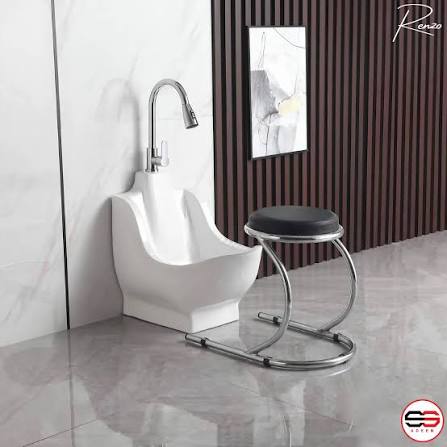
Wall-mounted sinks are a popular choice for modern bathrooms because they create an open appearance and leave more floor space visible. Their streamlined construction can make smaller rooms feel less crowded.
Choose a model with a simple rectangular or gently curved basin. Pair it with a wall-mounted faucet and neutral wall tiles to maintain a consistent minimalist look.
This design can also simplify floor cleaning, provided the plumbing connections are properly concealed and the fixture is securely installed.
2. Solid-Surface Wudu Sinks
Solid-surface materials can create a smooth, contemporary appearance with fewer visible joints. Depending on the product, they may support integrated basins, rounded edges, and customized dimensions.
White, cream, and light gray finishes work well in understated bathrooms. Darker finishes can create a stronger visual contrast when paired with lighter walls and countertops.
When choosing a solid-surface fixture, check its resistance to stains, moisture, and everyday cleaning products, as performance varies by material composition.
3. Floating Vanity and Ablution Combinations
A floating vanity with an appropriately designed washing basin can provide a practical solution for homes where space is limited. The vanity offers storage for towels and toiletries, while the wall-mounted construction maintains a lighter visual profile.
For effective use, the basin must be positioned to accommodate the intended washing activities. If foot washing is required, a separate lower basin or dedicated foot-washing area may be more suitable than a conventional vanity sink.
4. Contemporary Designs with Matte Finishes
Matte finishes can introduce subtle texture without making the bathroom feel overly decorative. Matte white, warm beige, and soft gray surfaces complement modern fixtures and understated cabinetry.
Black or brushed-metal faucets can add contrast, although the finish should be selected according to durability and maintenance requirements.
Before purchasing, confirm that the surface is suitable for wet environments and can be cleaned without damaging its appearance.
Traditional Wudu Sink Designs
Traditional bathrooms often feature natural materials, decorative details, and warm colors. An ablution area can reflect these characteristics while maintaining the practical features needed for comfortable washing.
5. Natural Stone-Inspired Basins
Stone and stone-inspired finishes can bring warmth and visual depth to traditional interiors. Marble patterns, textured surfaces, and earthy tones work particularly well with wood cabinetry and natural-color tiles.
Natural stone requires careful selection because some varieties are porous and may need sealing. A suitable engineered or solid-surface alternative can provide a similar appearance with different maintenance requirements.
The basin should have a practical shape and smooth, accessible washing surfaces, regardless of its decorative finish.
6. Ceramic Basins with Classic Shapes
Ceramic basins suit traditional bathrooms because they offer a familiar appearance and a smooth surface that is generally easy to clean. Rounded, oval, and gently curved designs can soften a room dominated by straight lines.
A white ceramic basin pairs well with warm beige tiles, wooden details, and traditional metal fittings. Decorative taps can reinforce the style without compromising everyday usability.
Look for a design with adequate depth and a drainage arrangement that prevents excessive water accumulation.
7. Decorative Tile Surrounds
A tiled wall behind the sink can establish a distinct ablution zone. Patterned ceramic tiles, geometric motifs, or muted ornamental designs can complement traditional bathroom interiors.
To prevent the area from becoming visually overwhelming, use decorative tiles as an accent rather than covering every surface with competing patterns.
Water-resistant installation materials and properly sealed joints are important for maintaining the appearance of tiled surfaces over time.
8. Warm Wood and Neutral Color Combinations
Wood-look cabinetry, beige walls, and cream-colored basins can create a welcoming traditional bathroom. These finishes are especially effective in spaces designed to feel calm and comfortable.
Because the area around a wudu sink is frequently exposed to water, cabinetry should use moisture-resistant materials and suitable protective finishes. Solid wood, engineered boards, and decorative laminates all require appropriate specification for wet environments.
Space-Saving Wudu Sink Ideas for Small Bathrooms
Limited space does not mean an ablution area must be uncomfortable or visually unattractive. Careful planning can help make a small bathroom more functional without overcrowding it.
9. Compact Corner Wudu Sinks
Corner basins use areas that might otherwise remain unused. Their angled or curved profiles can provide useful washing space while preserving room for other bathroom fixtures.
This option is worth considering in apartments, guest bathrooms, and small prayer rooms. Measure the available wall space and user clearance before selecting a model.
A corner installation should also provide convenient access to the faucet and drain for cleaning and maintenance.
10. Narrow Wall-Mounted Basins
A narrow basin can work well where a full-size fixture would obstruct movement. Wall-mounted designs are especially useful when the bathroom has limited floor area.
However, the basin should still provide enough space for the intended washing tasks. A fixture that is too shallow or narrow may increase splashing and make use less comfortable.
Consider the user’s needs first, then choose the smallest practical design that supports them.
11. Built-In Storage Around the Sink
Integrated shelving or a compact vanity can keep towels, toiletries, and cleaning supplies organized. This reduces clutter around the washing area and helps maintain a tidy appearance.
Storage should be positioned away from direct water exposure where possible. Moisture-resistant finishes and adequate ventilation can help prevent deterioration.
For very small bathrooms, recessed shelves may provide storage without taking up additional floor space.
Choosing the Right Materials and Colors
The materials and color palette influence both the appearance and maintenance requirements of a wudu sink.
Popular Material Options
- Ceramic and porcelain: Smooth surfaces, familiar bathroom styling, and straightforward routine cleaning.
- Solid surface: A contemporary appearance with options for integrated basins and customized shapes.
- Natural stone: Distinctive patterns and a premium appearance, although some varieties require sealing and more careful maintenance.
- Stainless steel: A practical option for certain commercial or institutional environments, especially where durability and frequent cleaning are priorities.
The best choice depends on the installation environment, budget, cleaning routine, and desired appearance.
Color Schemes for Different Interior Styles
For modern bathrooms, white, gray, black, and soft beige can create a restrained palette. Combining two or three complementary colors usually keeps the space visually consistent.
Traditional interiors may benefit from cream, sand, brown, and muted green tones. Natural textures and decorative tiles can add character without making the room feel busy.
Lighting also matters. Natural light can make darker surfaces feel more inviting, while well-positioned artificial lighting helps keep the washing area practical and easy to maintain.
Design Considerations for Comfort and Accessibility
An attractive fixture is only successful if people can use it comfortably. The design should account for the height of the basin, faucet position, foot-washing arrangements, and available movement space.
For users who have difficulty standing or bending, a seated ablution station may be a better option. Stable seating, reachable controls, and sufficient knee and leg clearance can improve accessibility.
Flooring deserves particular attention because water can make bathroom surfaces slippery. Choose slip-resistant materials appropriate for wet areas, provide effective drainage, and avoid layouts that allow water to spread into walking paths.
In shared facilities, leave enough room for people to approach and leave the sink without obstructing others.
How to Match a Wudu Sink with Your Bathroom Style
Coordinating the sink with surrounding fixtures helps create a unified design. Start by identifying the bathroom’s dominant materials, colors, and shapes.
For a modern interior, a simple basin with clean edges and understated fittings can complement frameless mirrors and streamlined cabinetry. In a traditional bathroom, curved ceramic designs, warm finishes, and patterned tiles may feel more appropriate.
Consistency does not require every component to match exactly. A contrasting faucet or textured backsplash can provide visual interest while keeping the overall design balanced.
It is also useful to consider the placement of the sink in relation to the toilet, shower, vanity, and bathroom entrance. A visually attractive layout should still provide privacy, comfortable movement, and convenient access to plumbing.
Installation and Maintenance Tips
Before installing a wudu sink, measure the available space and confirm that the water supply and drainage connections suit the selected model. Check wall strength for wall-mounted fixtures and use the appropriate mounting hardware.
Waterproofing should be addressed around the basin and adjoining surfaces. Where the design includes foot washing, plan for additional water exposure and ensure that the floor drains effectively.
For long-term maintenance:
- Clean the basin regularly with a product suitable for its material.
- Remove water deposits before they become difficult to clean.
- Inspect faucets, drain fittings, and pipe connections for leaks.
- Keep the surrounding floor dry and remove standing water promptly.
- Follow the manufacturer’s instructions for cleaning and surface care.
Routine inspections are particularly important in mosques and other public facilities where sinks may experience frequent daily use.
Frequently Asked Questions
Can a Wudu Sink Fit into a Modern Bathroom?
Yes. Wall-mounted fixtures, solid-surface basins, and minimalist designs can integrate naturally into contemporary bathrooms. The main considerations are available space, washing requirements, drainage, and accessibility.
Which Wudu Sink Design Is Best for a Traditional Bathroom?
Ceramic basins, stone-inspired finishes, decorative tile surrounds, and warm neutral colors can complement traditional interiors. Choose materials according to their maintenance needs and suitability for frequent water exposure.
What Is the Best Wudu Sink for a Small Bathroom?
A compact wall-mounted or corner basin may be suitable for a small room. Measure the available area carefully and ensure the selected fixture offers enough space for comfortable washing.
Are Solid-Surface Wudu Sinks Easy to Maintain?
Many solid-surface products have smooth, nonporous finishes that are relatively easy to clean. However, resistance to scratching, staining, and cleaning chemicals varies, so always check the product specifications.
How Can I Make a Wudu Area Safer?
Use slip-resistant flooring, effective drainage, appropriate basin and faucet placement, and adequate clearance. Seated washing arrangements and accessible controls may also help users who have difficulty standing or bending.
Conclusion
Wudu sink designs can suit both modern and traditional bathrooms when appearance and practical requirements are considered together. Minimalist wall-mounted fixtures, solid-surface basins, classic ceramic designs, and natural stone-inspired finishes offer different ways to complement an existing interior.
Before choosing a design, assess the available space, intended users, material requirements, plumbing, and drainage. A carefully planned ablution area can improve everyday convenience, support accessibility, and maintain a cohesive bathroom style without sacrificing functionality.